
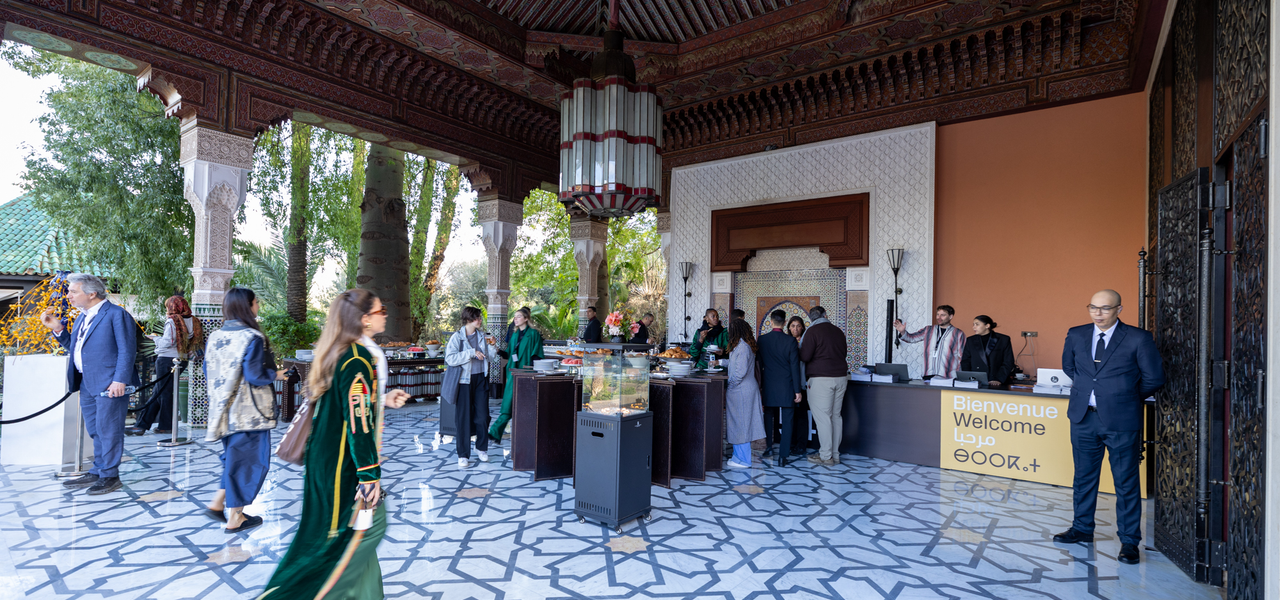
We had the pleasure of interviewing alumna Rania Tazi Hemida (MA Art Business 2025), now working in VIP Relations at 1-54 Contemporary African Art Fair, to learn how the MA Work Placement elective helped shape her career. Drawing on her experience securing and completing her placement at 1‑54, an opportunity that ultimately led to a full‑time role, Rania offers practical insights into standing out in interviews, navigating a new industry with confidence, and making the most of every learning moment.
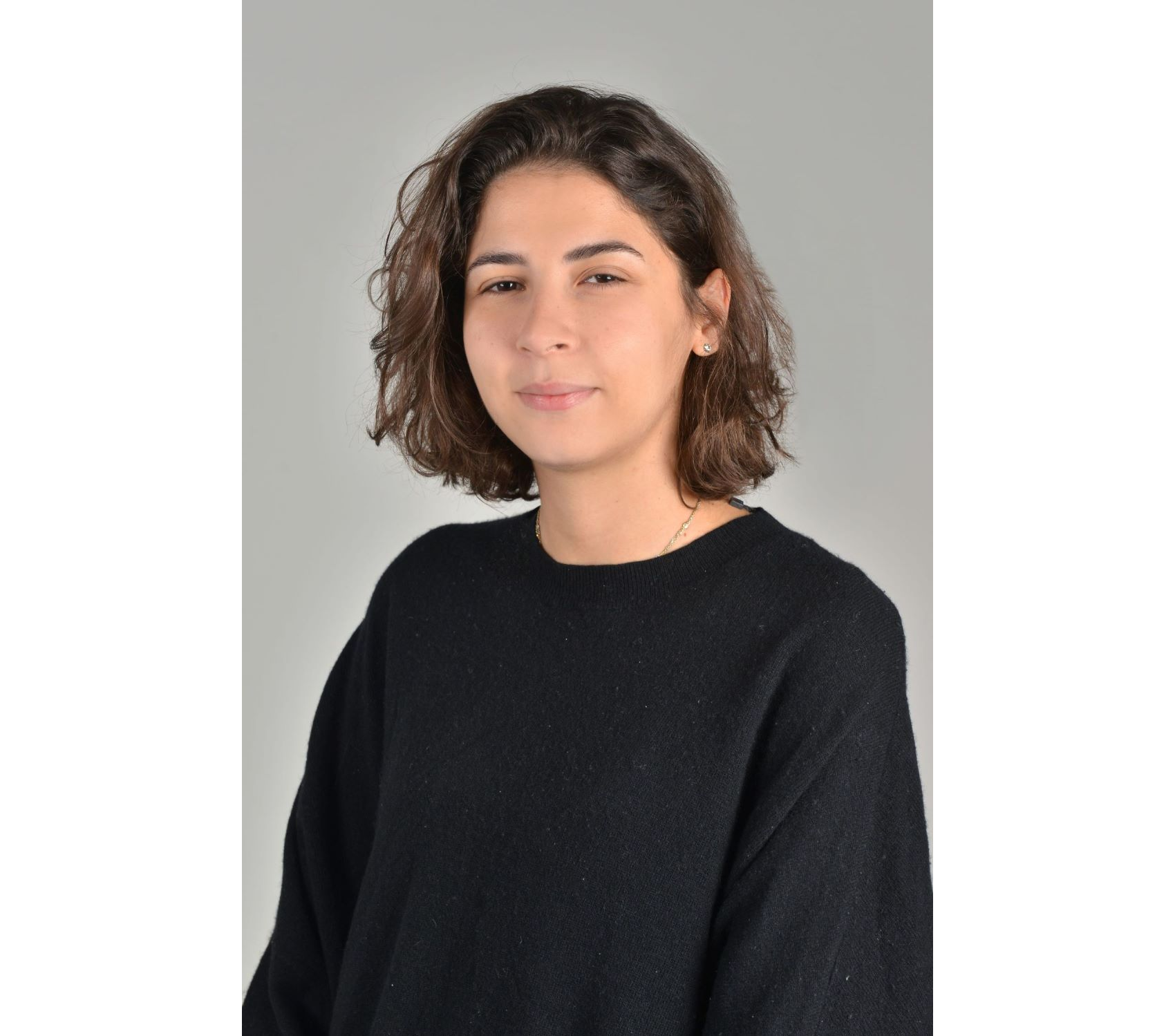
During the interview process, what strategies helped you stand out as a candidate and feel confident in how you presented yourself?
I did extensive research on the company beforehand. I was fortunate that, due to the nature of the organisation, there were many articles and interviews available about the fair and its founder. This allowed me to understand not only the different editions of the fair but, more importantly, the company’s culture and values. During the interview, I naturally referenced these details, which helped demonstrate genuine interest and preparation. I could see that this level of insight surprised the interviewers and helped me feel confident in how I presented myself.
When you secured your placement at 1-54, what challenges did you encounter, and how did you turn them into opportunities?
The biggest challenge was entering the art world with no prior experience, knowledge, or initial interest in the field. It felt like stepping into completely unknown territory. However, this quickly became an opportunity to discover a new industry and broaden my perspective.
I focused on my transferable skills and my ability to learn quickly rather than what I lacked. Being completely honest from the beginning about what I did and didn’t know helped build trust. I believe this transparency, combined with my willingness to learn, played a key role in securing the placement and succeeding in a new industry.
When you were on placement, how did you maximise learning and growth?
Because I was unfamiliar with many terms, concepts, and references, I kept detailed notes on my phone/computer. Whenever I heard something, I didn’t understand, I wrote it down and researched it during quieter moments.
Listening carefully was also a major part of my learning process. By paying attention to office conversations and discussions, I picked up context, terminology, and insights that helped me anticipate tasks and better understand ongoing projects. Finally, I wasn’t afraid to ask for clarification when needed, which allowed me to learn faster and avoid misunderstandings.
After completing your placement, how did you continue to build and maintain professional relationships- both with your placement provider and within the wider industry?
My placement transitioned into a full-time role with the organisation, which naturally allowed me to continue strengthening professional relationships within the team. Working closely with colleagues on a long-term basis helped build trust and deeper connections, while also expanding my understanding of the wider industry through ongoing collaboration.
Finally, what advice would you offer current MA students on securing and making the most of their work placement experience?
Don’t be afraid to apply for placements that feel “out of the way” or outside your comfort zone, at the end of the day it’s only 2 months and a half. Taking that risk was one of the best decisions I made, as it pushed me to learn quickly, adapt to a new industry, and gain skills I wouldn’t have developed otherwise.
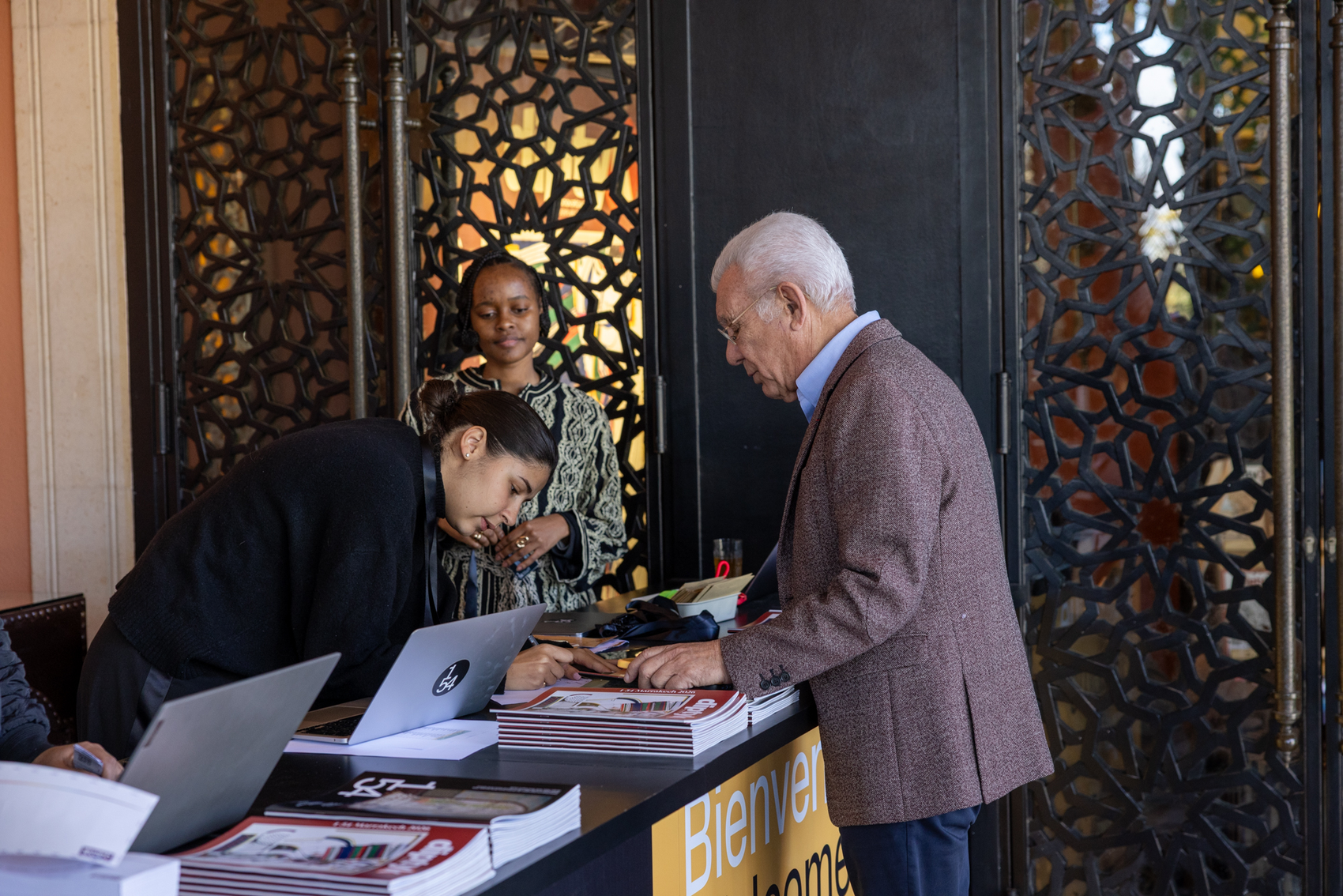
Photo above and cover image: Mohamed Lakhdar and Adnane Zemmama