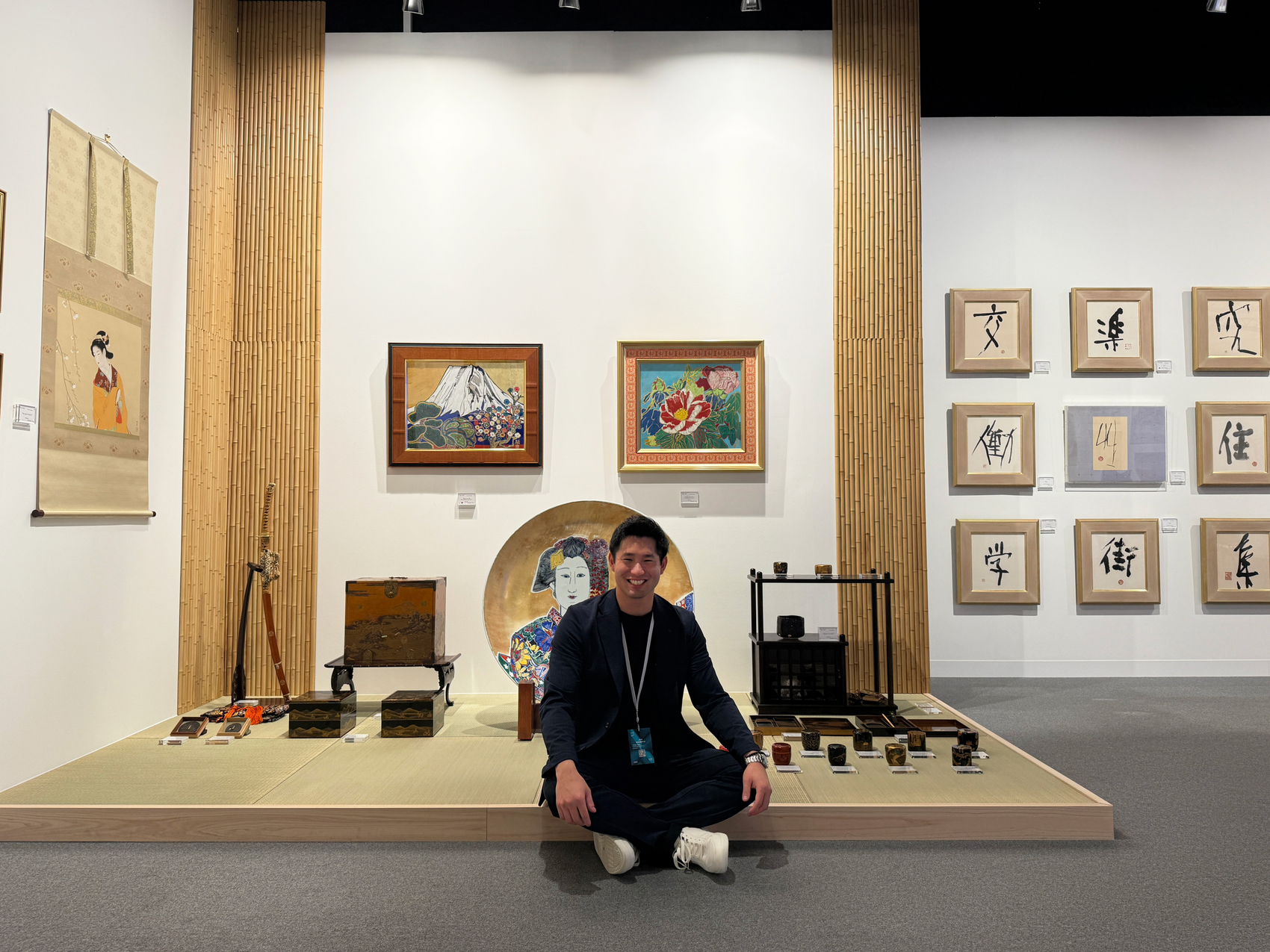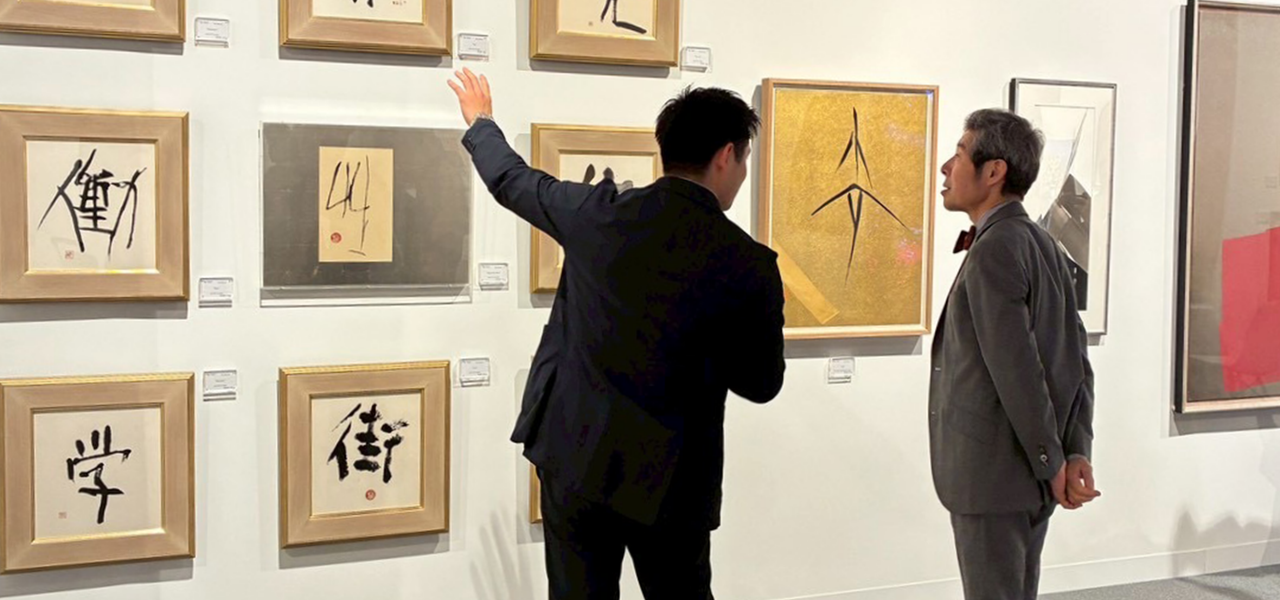
We’re delighted to interview alumnus Takato Kano (MA in Contemporary Art 2025), who shares reflections on building an international career at the intersection of scholarship, entrepreneurship, and the contemporary art market.
Takato Kano completed his MA in Contemporary Art at the Sotheby’s Institute of Art in London in 2025. He currently serves as Representative Director of Takato Kano Gallery and as an International Sales Representative at Gallery Iskra. His career has been shaped by extensive experience in the secondary art market, encompassing roles at commercial galleries, the international promotion of Japanese art through art fairs and private sales, as well as the management of a dealer’s auction.
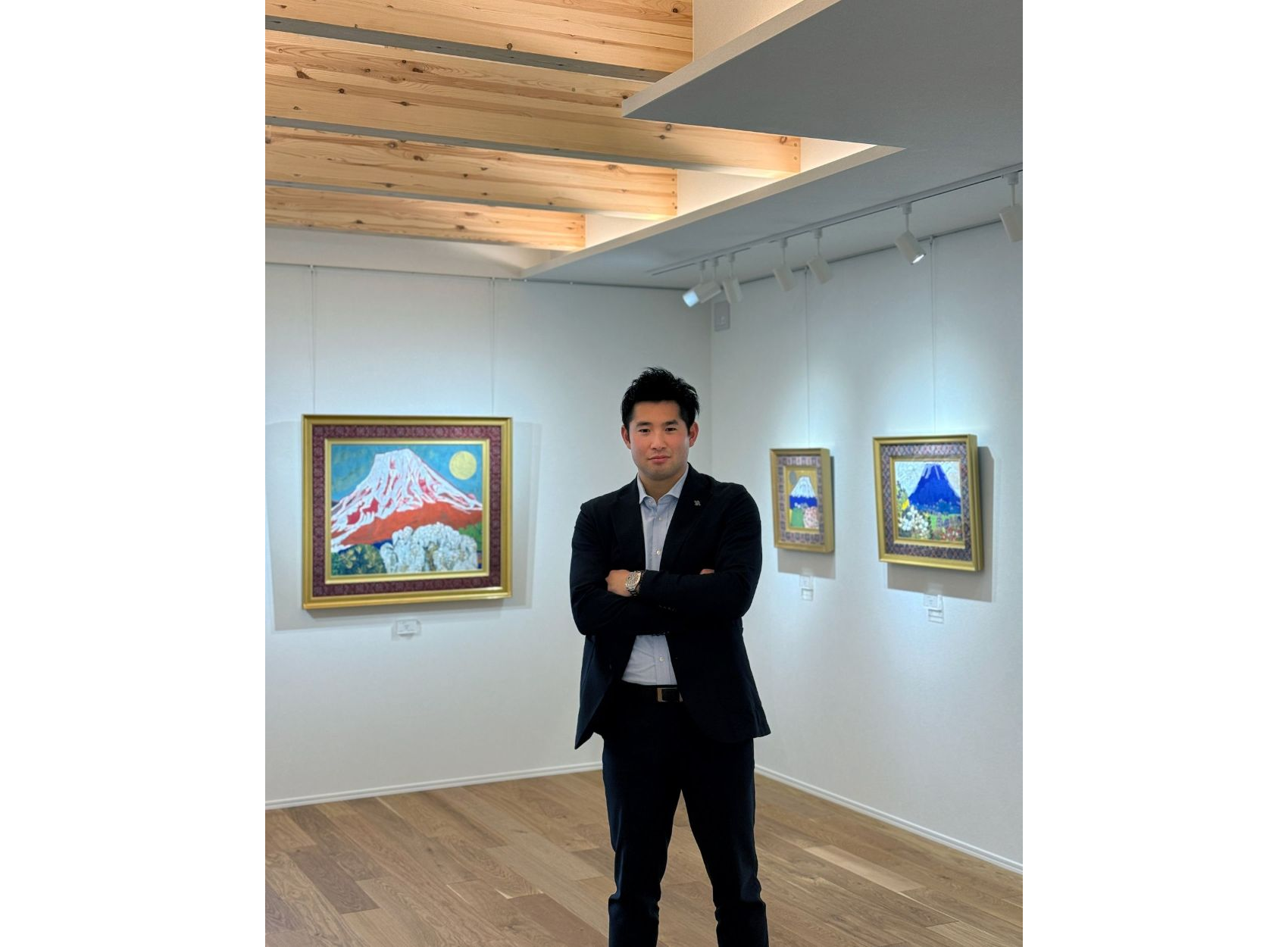
After completing your MA in Contemporary Art at Sotheby’s Institute of Art in London, you returned to Japan to take on a leadership role within Iskra Corporation, directing Takato Kano Gallery. Could you introduce the Iskra gallery group and reflect on your personal journey so far, from postgraduate study to working in a multi‑platform art business?
The Iskra Corporation, Gallery Iskra, is a Japan-based gallery group with over 40 years of experience, widely recognised across the country for presenting a diverse range of artworks, from established masters to emerging artists.
In addition to exhibitions and private sales, we actively collaborate with galleries nationwide to facilitate consignment sales, creating broader opportunities for collectors to encounter and acquire exceptional works.
We also operate a dealer’s auction platform, which plays an important role in connecting professional participants within the secondary market. A key pillar of the group is the Art Buying Association, established in 2000 as Japan’s first art-specialised purchasing company.
With eight branches across the country, including Nagoya, Tokyo, Osaka, and Fukuoka, it brings together specialists across multiple fields and handles annual acquisitions of over 30,000 to 50,000 works, reflecting its significant presence within the Japanese art market.
After completing my MA at the Sotheby’s Institute of Art in London in 2025, I returned to Japan to take on a leadership role within the group, directing Takato Kano Gallery while also engaging in its international operations. My experience in London provided me with a global and academic perspective, which I now apply within a highly practical, market-driven environment.
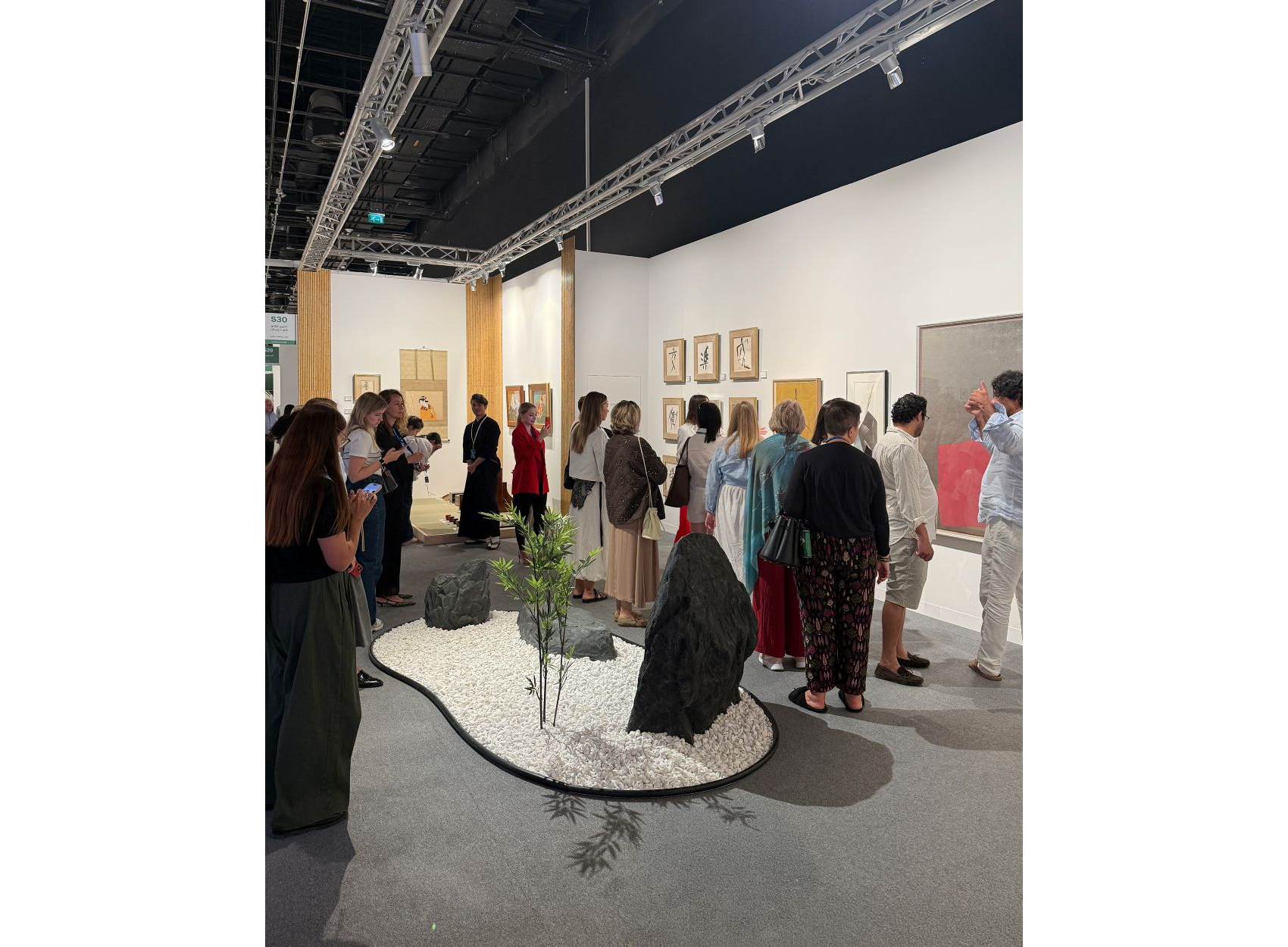
Since then, my role has developed across multiple layers of the art ecosystem, ranging from gallery exhibitions and international art fairs to private sales and working with auction houses such as Sotheby’s, Christie’s and Phillips. Transitioning from postgraduate study into a multi-platform art business has been both challenging and rewarding, and it has allowed me to develop a comprehensive understanding of how the art market operates across different regions and sectors.
Looking back on your time at Sotheby’s Institute of Art, and on your broader international experiences beyond London: which skills, perspectives, or formative moments proved most valuable as you transitioned into entrepreneurship?
Looking back, one of the most valuable skills I developed at the Sotheby’s Institute of Art was critical thinking, learning how to analyse artworks not only aesthetically, but also within broader historical, cultural, and market contexts. This has proven essential in the secondary market, where understanding both artistic significance and market positioning is key.
Equally important was gaining a deeper understanding of postwar Japanese art movements such as the Gutai Art Association and Mono-ha. Studying these movements in an international environment allowed me to reconsider Japanese art from a global perspective, which has become central to how I present and position works to collectors today.
Alongside this, my internship at Phillips in the Modern and Contemporary Art department was particularly formative. Through cataloguing works and supporting specialists, I developed intensive research skills and a strong attention to detail. Working in a fast-paced, high-pressure environment also strengthened my ability to manage complex information efficiently, an experience that directly informs my decision-making today.
Curating was another formative aspect of my experience. It taught me how to construct narratives between artworks, something that directly translates into building exhibitions, art fair presentations, and even shaping private collections.
Finally, electives such as Modernism and its Market helped bridge the gap between academic study and the realities of the art world. They provided insight into how value is created and perceived, which has been particularly relevant as I transitioned into entrepreneurship, where strategic thinking, market awareness, and relationship-building are all essential.
The business operates across galleries, advisory services, and auctions, engaging with artists, collectors, and institutions both locally and internationally. For current students or recent graduates interested in careers in galleries, auctions, or art‑market start‑ups, what guidance would you offer as they navigate an increasingly global and interconnected art and luxury worlds?
For students and recent graduates entering the art world today, I would emphasise the importance of combining a strong academic foundation with active, real-world engagement. As the industry becomes increasingly global and interconnected, it is not enough to rely solely on academic knowledge; understanding how the market operates in real time is essential.
Building a network early on is particularly important. The art world is highly relationship-driven, and many opportunities arise through personal connections rather than formal applications. At the same time, staying physically engaged with the field, by regularly visiting galleries, museums, and art fairs, is key to developing both awareness and a trained eye.
It is also crucial to engage directly with the market. Attending auction previews and following major sales at houses such as Phillips, Bonhams, Sotheby’s, and Christie’s provides valuable insight into pricing, quality, and demand. Over time, this helps build an intuitive understanding of how different segments of the market function.
Beyond this, curiosity and initiative are essential. The art and luxury sectors are constantly evolving, and those who actively seek out experiences, ask questions, and immerse themselves in different contexts will be best positioned to navigate and contribute to the field.